Vintage My Little Pony: What are “Nirvana Ponies”?
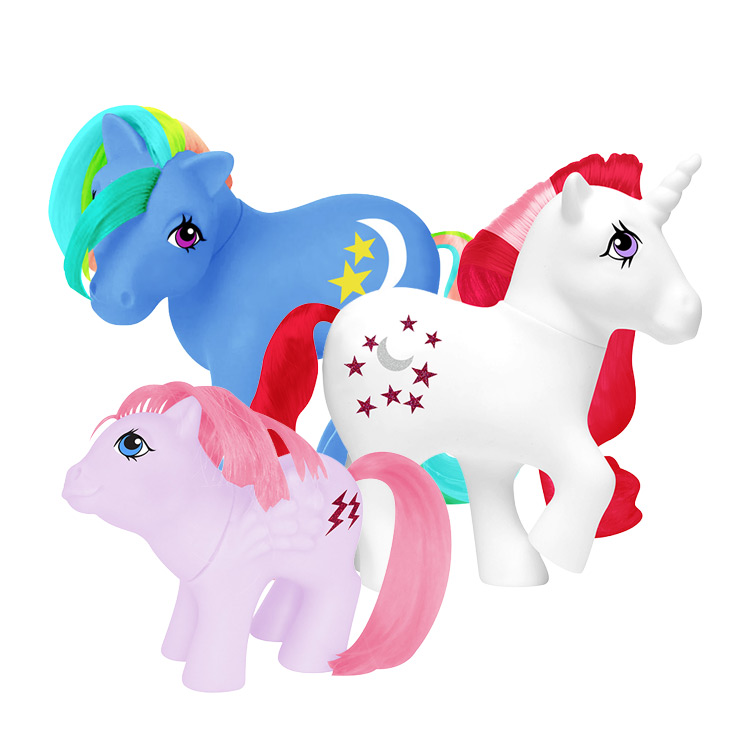
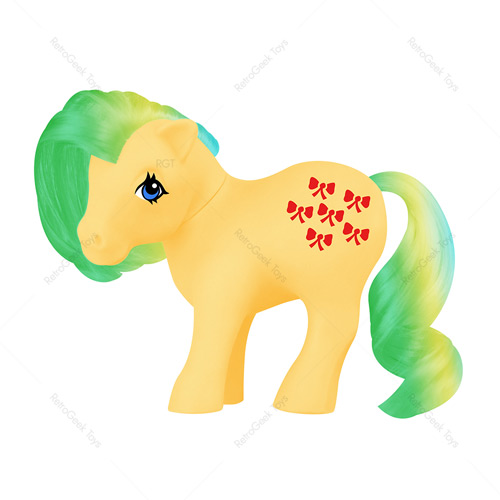
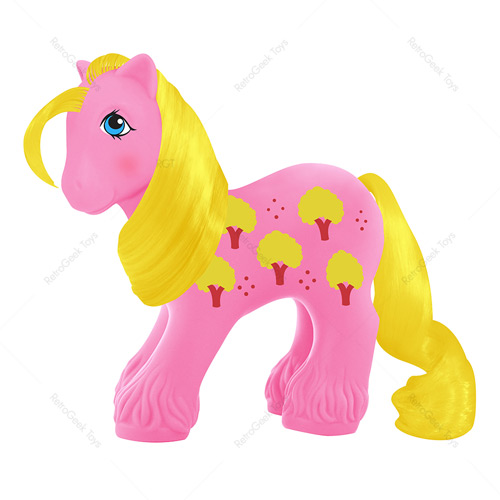
My Little Pony figures that were exclusive to certain countries are called “nirvana”. These G1 ponies are usually limited variants and very valuable.
by Type:
by Country:
Did you know that not all 1980s My Little Ponies were made in Hong Kong? That’s right. Even though most of us remember our little friends coming from this region, there were many other countries that also produced official Hasbro ponies. Today, collectors call these (rarer) toys “Nirvana ponies“.
Many My Little Pony collectors love nirvana ponies because although they tend to be quite hard to find (and let’s be real, they cost much more than HK ones!), they can look VERY different from their counterparts. So, they are an excellent addition to any pony hoard, especially if you enjoy a particular pony and you want to have variants of it. I thought it would be interesting to talk a little more about Nirvana ponies, so I created this guide with basic info and some links to help you understand the different origins and how to chase down your favorite ponies.
What is a Nirvana My Little Pony?
Nirvana ponies are ponies that were made or sold exclusively in certain countries. This usually made them quite limited in distribution. For example, most ponies we came across growing up were made in Hong Kong or, in some cases, China. You can see this origin if you look at the bottom of the pony’s feet. But if you look at the hoofs and you don’t see anything, or you see a different country, you might be in front of a Nirvana Pony.
The Countries of Nirvana Ponies
Ponies made in Hong Kong or China are not considered nirvana. Some ponies were made in these countries, then exported to others and packaged in different languages. These are not considered nirvana ponies, either. For a My Little Pony to be a nirvana pony, it needs to come from one of the following countries:
Argentina
Australia
Brazil
Colombia
Netherlands
France
Germany
Greece
Italy
India
Japan
Macau
Mexico
Peru
Spain
Scandinavia
South Africa
You can use the links above (in progress!) to explore each country in a little more detail, but I will show you a few examples so you can see how each country adapted the brand to their local production capabilities and design choices. I picked the following countries based on rarity (countries with several original variants) or quantity (countries with a large number of variants).
Example #1
Ponies from Argentina
Argentina was a large market for Generation One My Little Ponies. In fact, the partnership between Hasbro and the local company Top Toys released over 100 original ponies, which were sold throughout South America! Top Toys was founded in 1977 by Hector Mondrik, and it licensed dozens of toy brands, including Star Wars, Masters of the Universe, Glo Friends, and Barbie. The company secured the My Little Pony license in 1986 and began producing the toys locally, using imported mechanisms and materials.
Argentinian ponies are particularly attractive to collectors because of their bright colors, which can be very different from the more traditional pastels we see in ponies sold in the United States and Europe. It is said that Top Toys received copies of the Hasbro manuals but decided to try some of their own combinations as well, inspired by cultural preferences. This is why Argentinian ponies can be anything from blue and green to neon orange and bright fuchsia. Their hair is equally unique, with many ponies sporting rainbows consisting of three colors.
I actually do A LOT of restorations for Argentinian ponies, because that’s where I come from! :) I also share information on these ponies, where they come from, why they look the way they look, etc. You can see all the videos in my channel (RetroGeek Crafts).
Example #2
Ponies from Colombia
Colombian ponies were made by local toy manufacturer Kico, a company founded in Barranquilla in 1928 by Polish immigrant Carlos Kalusin. From the start, Kico had a clear vision: to bring cutting-edge technology to Colombia and produce locally what had once been imported. Kico was the first company in the country to use plastisol, a plastic-like material that allowed for brightly colored, durable toys.
Colombian My Little Ponies are a bit of a special case when compared to those produced in other countries. Instead of a large selection of characters, and due to the company producing them using Italian manufacturing molds, the ponies that come from this country are all variations of just five adults and four babies. Like other regional partners, Kico used the Hasbro molds but introduced large variations in symbol and body color. As a result, these ponies are particularly difficult to find in good condition, so the color can vary considerably. Oh, and it’s also likely that many variants haven’t been registered by collectors yet!
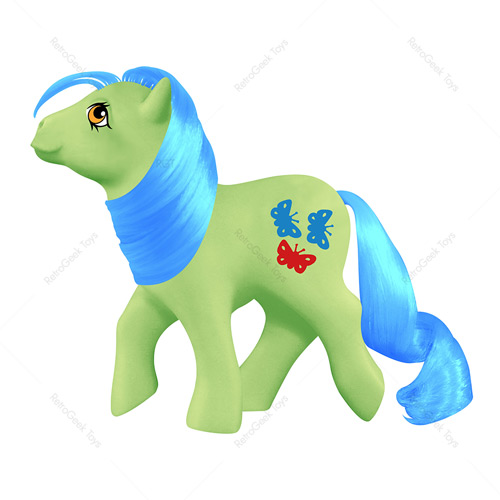
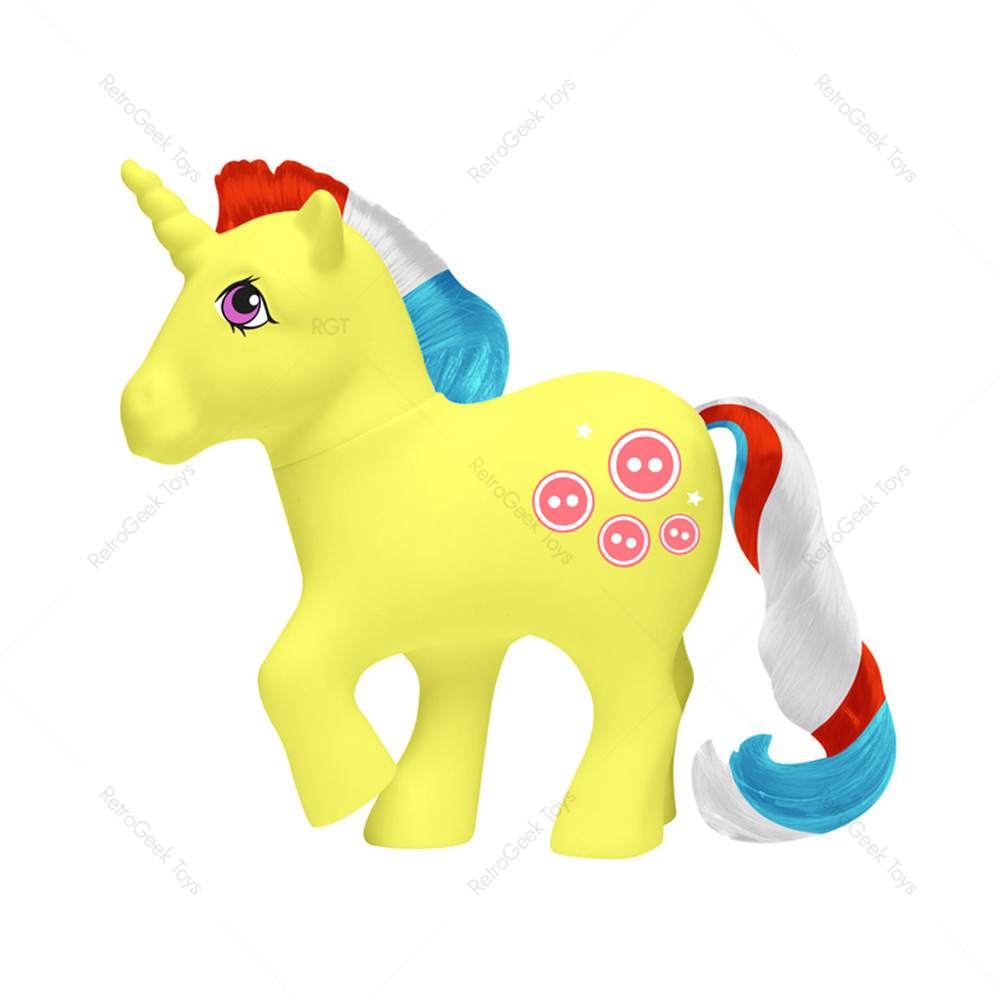
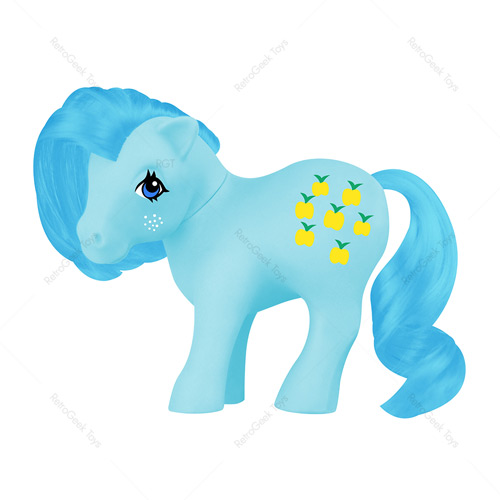
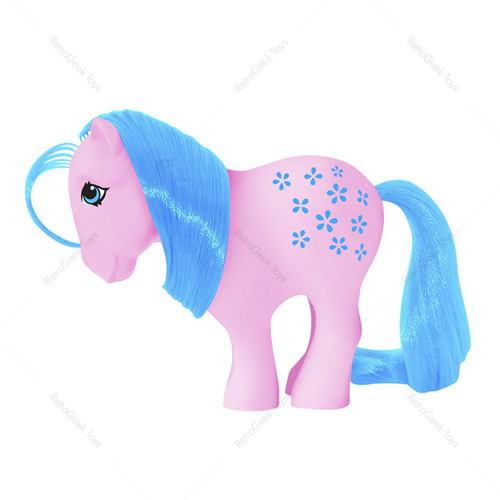
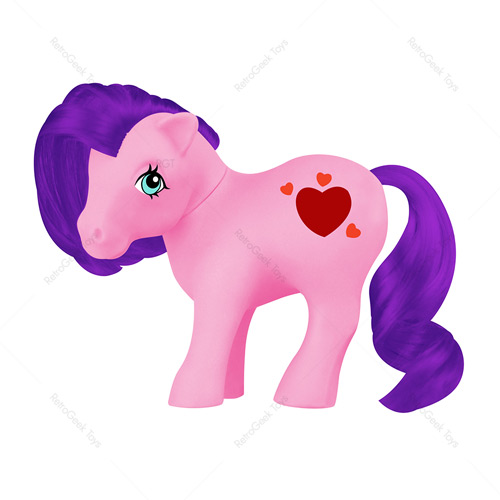
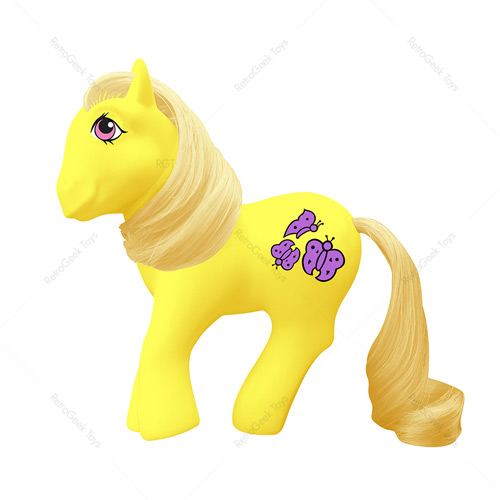
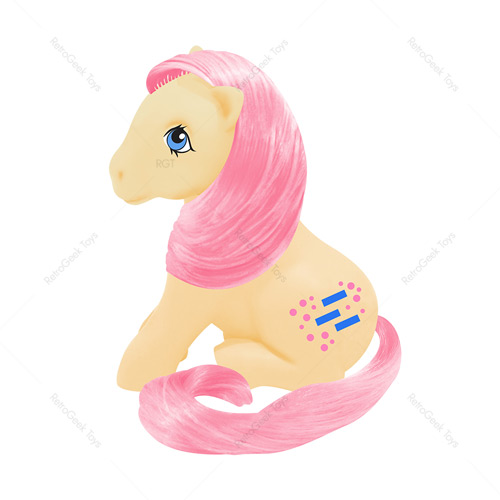
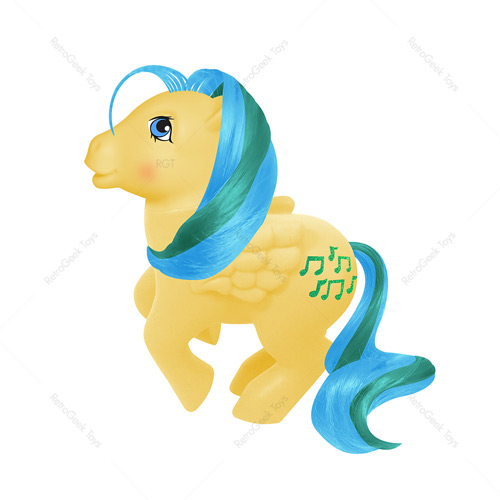
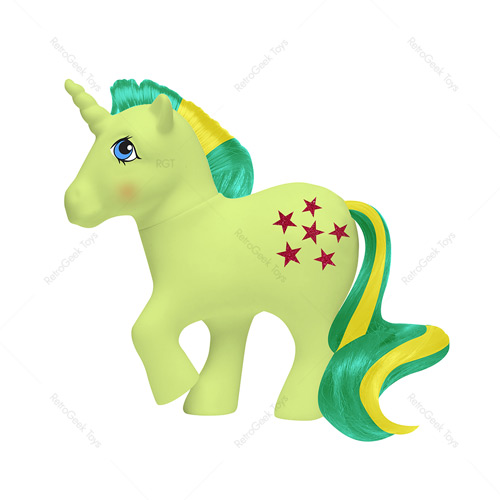
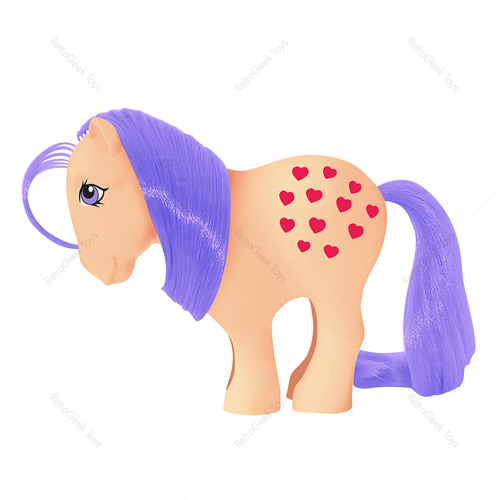
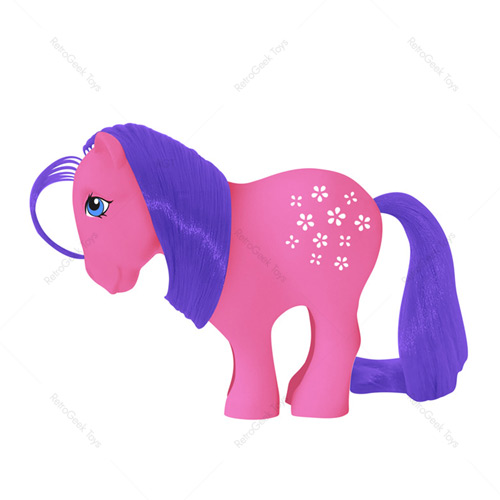
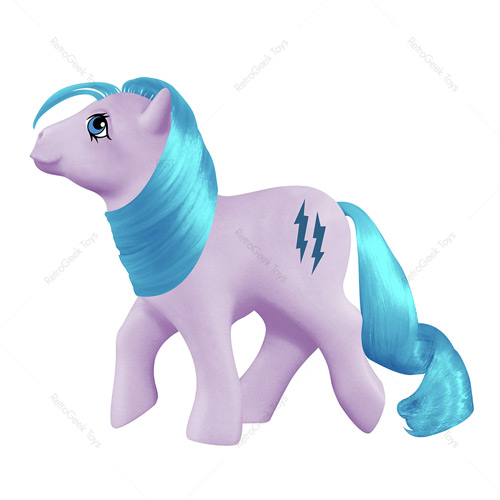
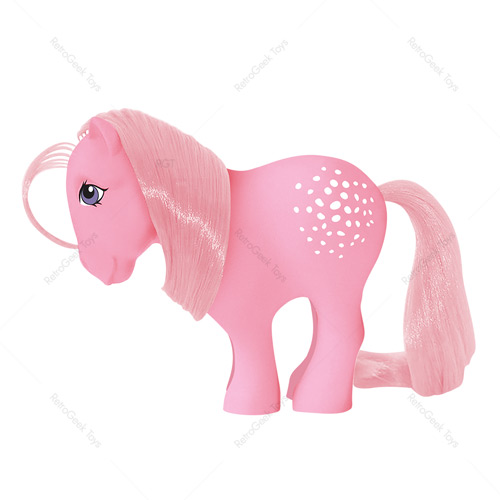
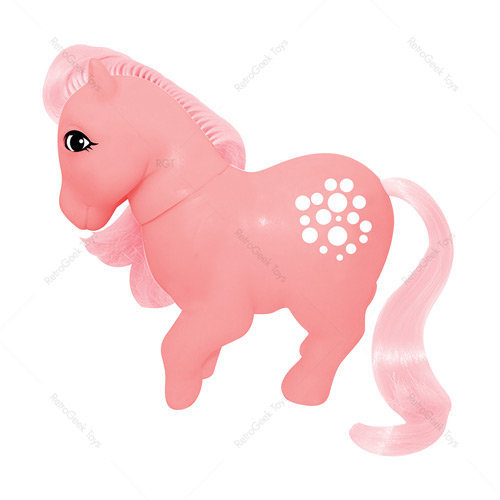
There are Dutch variants released in 1995, after the G1 line had ended everywhere else. These ponies from the Netherlands are based on previous characters but had different color combinations.
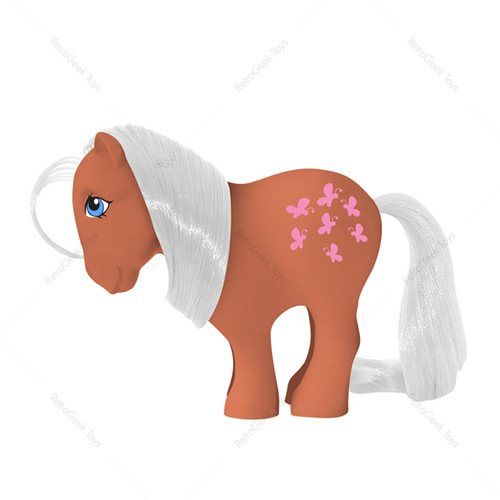
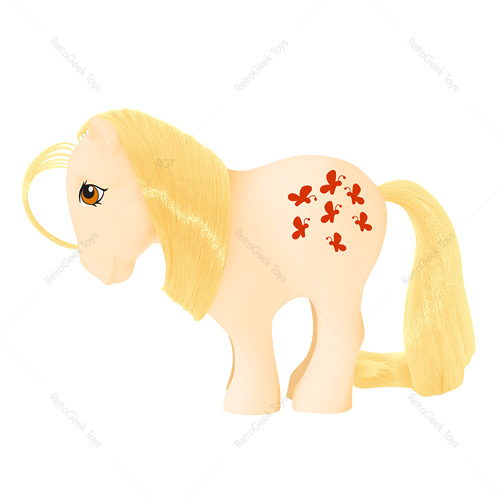
The figures were distributed with bilingual Dutch and German packaging, indicating their availability in the Netherlands, Germany, and Austria. The collection includes both baby and adult ponies, each with unique themes and accessories. For instance, the Dutch Baby Ponies feature characters like the Cat Pony (Poesjes-Pony), Dolphin Pony (Dolfijn-Pony), and Flower Pony (Bloemetjes-Pony), and the Adult Ponies include the Butterfly Pony (Vlinder-Pony), Candy Pony (Snoepjes-Pony), and Diary Pony (Dagboek-Pony). Here are some pictures:
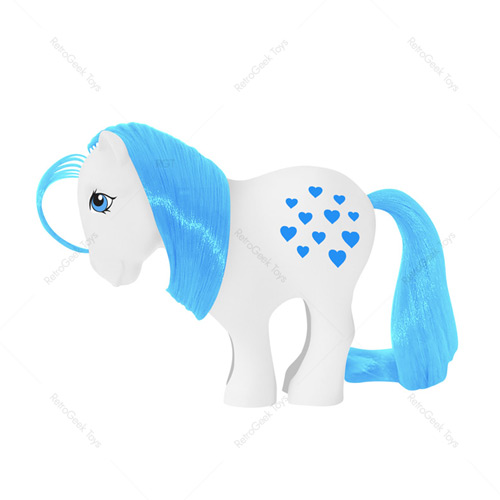
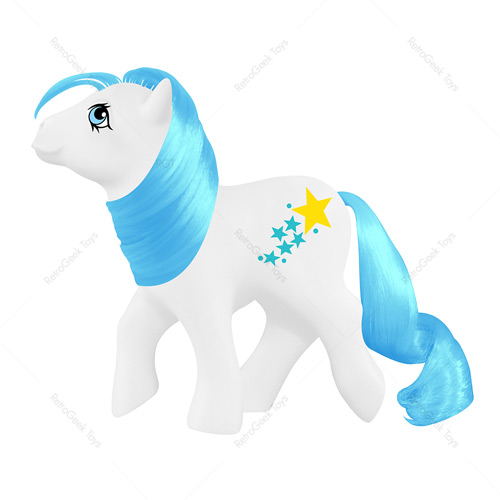
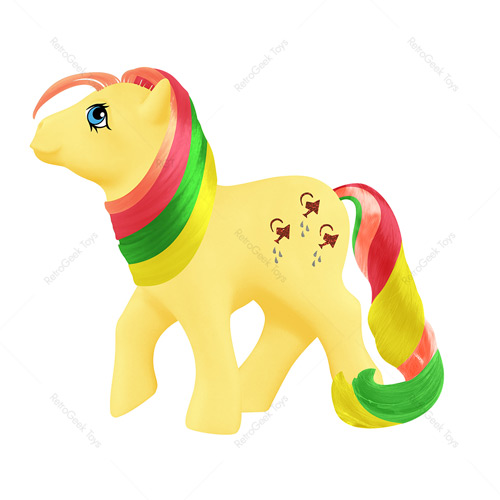
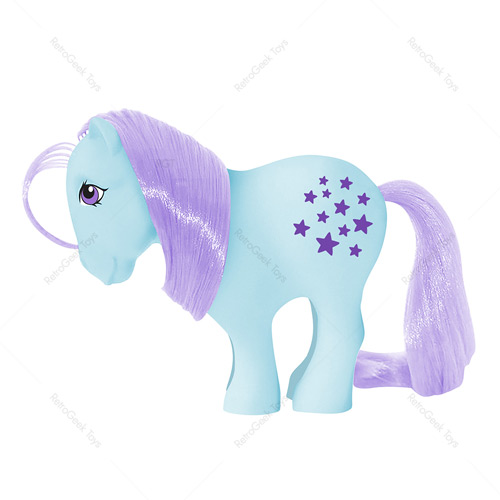
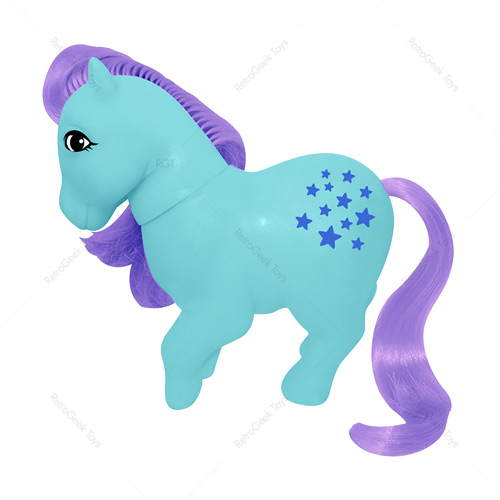
The Netherlands – MLP G1 Star
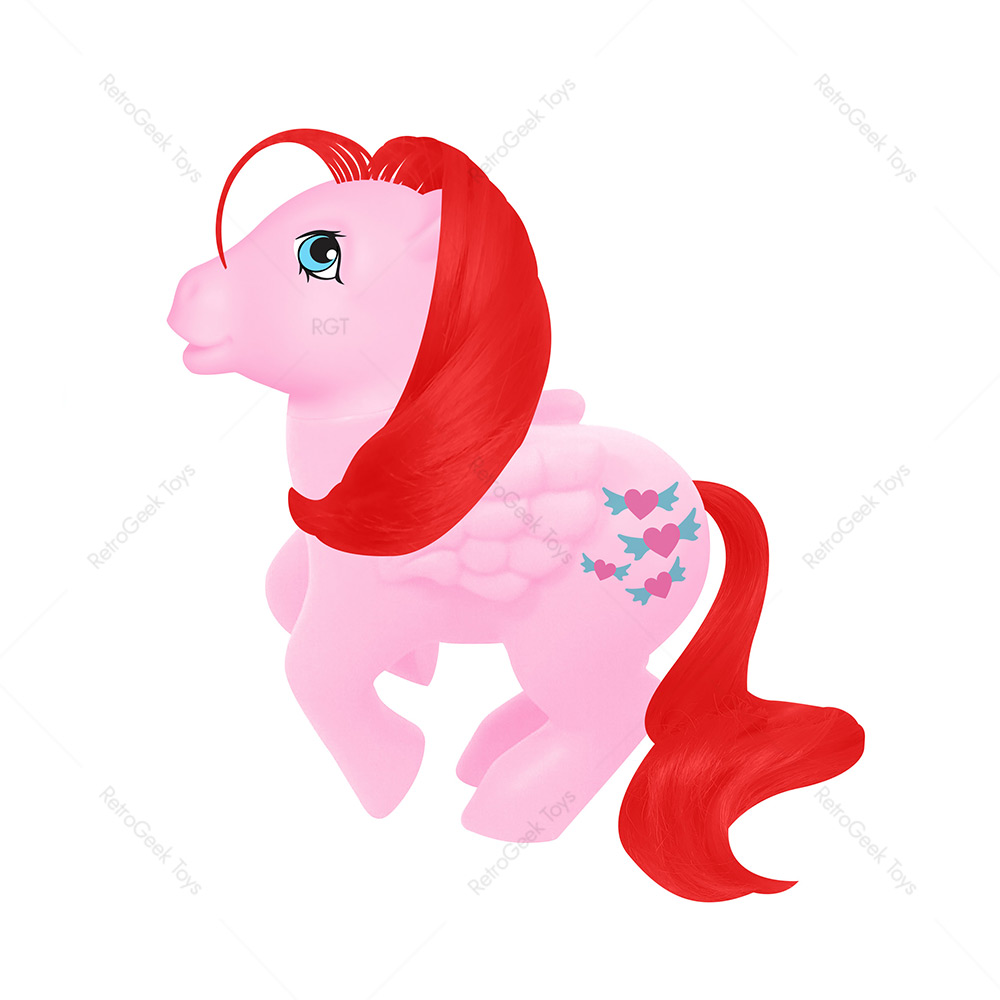
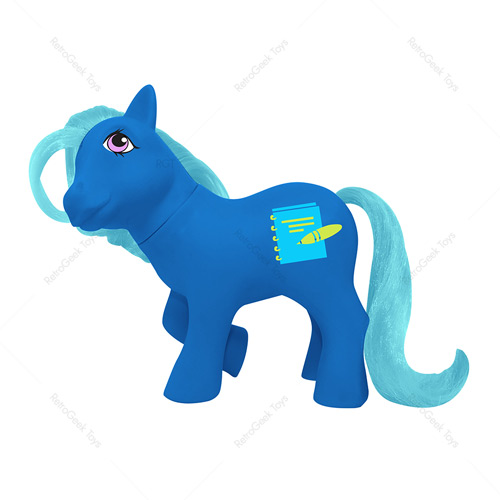
The Netherlands – MLP G1 Diary Pony (Dagboek-Pony)
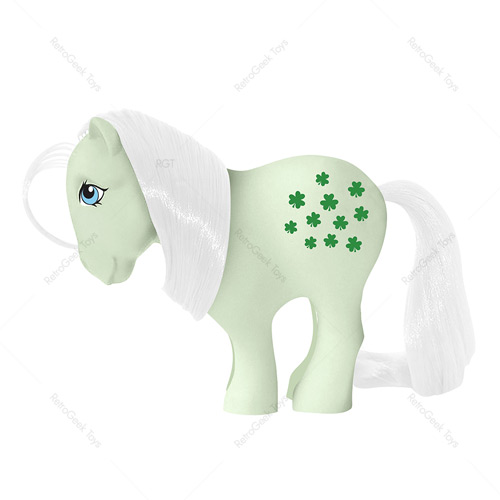
The Netherlands – MLP G1 – Heart Pony (Hartjes-Pony)
The Netherlands – MLP G1 – Butterfly Pony (Vlinder-Pony)
Keep scrolling for more Nirvana ponies ↓↓
Do you want to learn more? :)
I Wrote a Book About Ponies!
I love restoring vintage My Little Pony toys and, in doing so, have learnt a lot about their history and the HUNDREDS of less-known variants from manufacturing partners all around the world. So, I wrote a book about them. ALL of them. The book is called “The Unofficial Vintage My Little Pony Companion” and is a massive compendium with 400 pages of history, images, merch, and descriptions for all international and foreign releases of My Little Pony generation One (MLP G1).
There are at least 35 My Little Pony characters made in Greece, and each can have more than one variation. Because Greek-market ponies were sold only locally, they are harder to find outside the country. The toy factory that partnered with Hasbro for producing Greek My Little Ponies was called El Greco. Founded in 1962 by Georgios and Fifi Vakakis after they returned to Greece from gaining toy manufacturing experience in Italy, El Greco quickly achieved success both domestically and internationally.
The line features exclusive ponies like Lambaditsaor “Birthday Pony”, which were both Easter Ponies—the latter actually came inside a plastic egg! In many European markets at the time, especially where Orthodox Christian Easter traditions were strong, Easter candles were a cultural and religious item used by many households. Toy manufacturers and distributors often packaged small gifts or free toys with church-related or seasonal items, especially during religious holidays. El Greco’s Easter candle giftsets are one documented example of this practice.
Up until 1987, Italian Ponies were first made by Furga under the moniker “Mio Piccolo Pony“ and then by DAG as “Mio Mini Pony”. Furga only produced three ponies—all in Collector Pose and all with Cotton Candy symbols. DAG, on the other side, continued the line with several unique variants that have become highly collectible.
Italian ponies can have stamped or airbrushed eyes, but they are always blue (albeit not the same shade! A limited number did not use the typical cyan but light blue or turquoise green) and the ITALY stamp on the hoof. They don’t have forelocks but do show two plugs of hair on the forehead instead of one initial row. Some of them also show three lower lashes, and others can be slightly different in size. These ponies are incredibly popular amongst collectors, as they are available in a large range of prices and designs.
Funskool was founded in 1987 as a joint venture by Hasbro and multinational tire manufacturer MRF Ltd. With headquarters in Chennai, Tamil Nadu, most production is done in Ranipet and Goa. The company had its own brands (as well as an American counterpart, Playskool), but also manufactured and distributed licensed toys from Hasbro, Disney, Takara Tomy, and others.
In the 1980s, Funskool released a set of six ponies exclusively in India. All of the Indian Ponies were created in the Collector Pose and look relatively similar to those made in Hong Kong, although there is some color variation that makes these ponies particularly collectible.
If you come across a Japanese My Little Pony, you probably won’t realize the toy belongs to the same large G1 family because Takara, the company in charge of the license there, went for a completely different mold. The Takara ponies were designed as poseable dolls, with an emphasis on dresses and hair play. The line had eight main characters (twin sisters Pinky and Milky, four “Ochame Fashion” adults with different hairstyles, and younger twin sisters Lily and Popo). There were also at least eleven outfits that were sold separately. It’s believed that a lot of the Takara My Little Pony lineup never made it to the market, staying as prototypes. This includes ten additional small animal twin sets and some playsets.
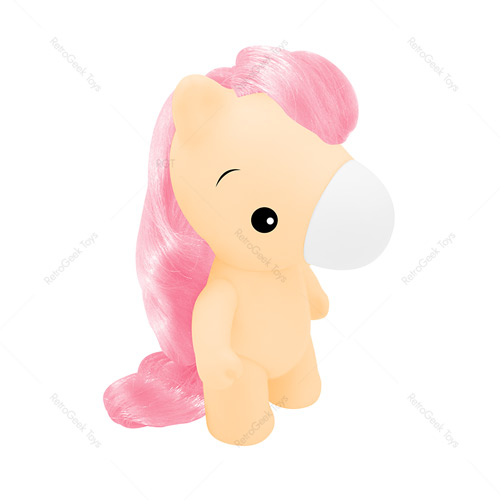
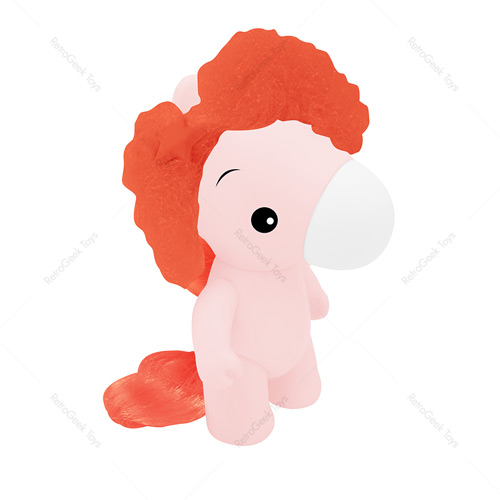
Spanish nirvana ponies were first introduced by manufacturers Brekar and Milton Bradley under Hasbro licensing. These ponies have a piggy pose and the hooves are not marked. They also have blinking eyes like the US Beddy-Bye-Eyed baby ponies. Referred to as Spanish Piggy ponies, they are considered very rare and valuable. After the piggy ponies, regular Spanish ponies were made and sold in Spain. They are sometimes marked as “SPAIN” on their hooves, though not always. Many variations and types were made.
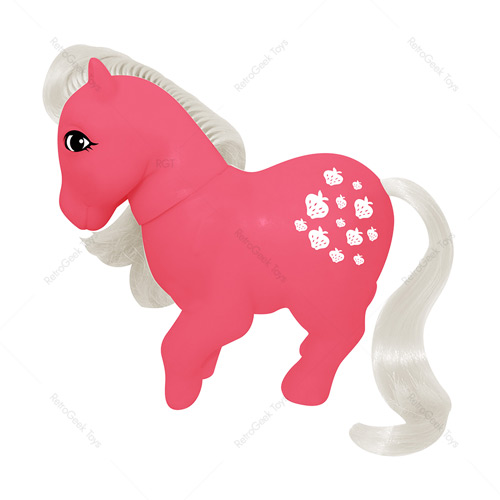
Spain – MLP G1 “Fresita“
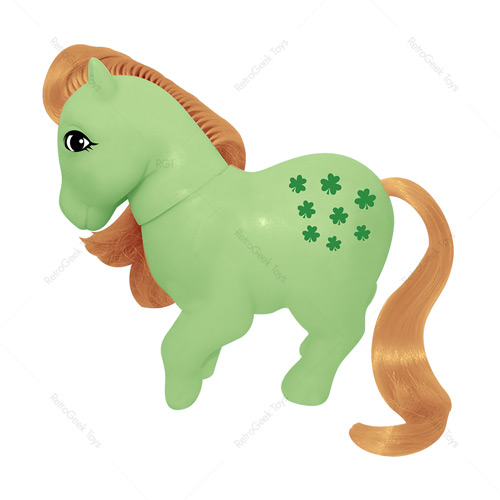
Spain – MLP G1 “Menta“
Spain – MLP G1 “Cielete“
Spain – MLP G1 “Pinky“
A Kind Approach to Nirvana Pony Collecting
Ethical Nirvana collecting isn’t about restricting who gets to own rare ponies. It’s about understanding the uneven economic conditions between regions and respecting the communities that created, played with, and preserved these ponies for decades.
Here are constructive ways to support a healthier, fairer market:
Buy from local collectors only when they set the price. Instead of offering high-inflated “foreign” amounts that distort the market, ask for the seller’s normal local price. Let them determine what feels fair.
Avoid bidding wars on ponies listed in low-income regions. This is one of the biggest factors in price inflation. Instead, consider asking the seller respectfully whether they have a preferred price for local buyers vs. export sales.
Support community-led pricing guidelines. Some regions (such as Argentina and Mexico) already have groups that discuss what fair pricing looks like within and outside their local markets. Listening to these communities preserves stability.
Trade instead of purchase. Many foreign collectors love trading because it bypasses currency exchange rate fluctuations. Trading U.S. or European ponies for Nirvana ponies helps equalize power in the exchange.
Boost local collectors’ access. Help local collectors get ponies they want by offering fair trades, assisting with shipping, or helping identify ponies at international prices that would otherwise be inaccessible to them.
Acknowledge regional history in your collection. In your book or displays, give credit to the countries where these ponies originated. Treat them not just as rare objects but as cultural artifacts with roots worth honoring.
Avoid bulk-buying or reselling for major profit. Clearing out a local market of rare ponies to flip abroad is the most harmful practice. Ethical collecting avoids hoarding, flipping, and exploiting the market for personal gain.
Do you want to learn more? :)
I Wrote a Book About Ponies!
I love restoring vintage My Little Pony toys and, in doing so, have learnt a lot about their history and the HUNDREDS of less-known variants from manufacturing partners all around the world. So, I wrote a book about them. ALL of them. The book is called “The Unofficial Vintage My Little Pony Companion” and is a massive compendium with 400 pages of history, images, merch, and descriptions for all international and foreign releases of My Little Pony generation One (MLP G1).
Girl toys from the 80s and 90s hold a special place in the hearts of many. Iconic lines like My Little Pony and Strawberry Shortcake had colorful characters and whimsical worlds, while Rainbow Brite and Care Bears brought magic and friendship to life with plush toys and animated specials. Explore other magical vintage favorites from the 80s and beyond.